


Understanding the relationship between US inflation and cryptocurrency valuation is essential for investors navigating the volatile digital asset landscape. As inflationary pressures increase or decrease, they can significantly shape Bitcoin prices and market trends. This article delves into how these economic dynamics influence investor strategies and the broader market landscape.
Importance of Understanding Cryptocurrency Valuation
Cryptocurrency valuation plays a critical role in today’s economy, influencing not only individual investment strategies but also entire market movements. When inflation rises, investors often reassess their asset allocations. Bitcoin, viewed as a hedge against inflation, can experience price increases as demand rises. According to analysis from recent reports, the connection between traditional economic indicators like inflation and cryptocurrency valuation is becoming increasingly clear, further emphasizing the importance of awareness.
The significance of understanding these dynamics extends beyond short-term trading decisions. Established economic concepts suggest that inflation affects public sentiment towards riskier assets like cryptocurrencies. In an inflationary environment, many investors perceive Bitcoin as a more appealing store of value compared to traditional currencies that may lose purchasing power due to inflation.
Current US Inflation Trends and Their Effects
Recent trends in US inflation have shown fluctuating rates, significantly impacting Bitcoin market behavior. For example, the Consumer Price Index (CPI) release indicated a headline inflation rate of 2.4%, slightly lower than expected. Positive shifts in inflation rates can lead to immediate reactions in cryptocurrency prices. On the other hand, when inflation rates rise unexpectedly, the market often reacts negatively, impacting cryptocurrencies like Bitcoin.
A case in point is the recent surge in Bitcoin prices following the January inflation report. Bitcoin climbed approximately 6%, threatening to breach the $70,000 mark once again, illustrating the strong correlation between inflation data and market behavior. This kind of volatility demonstrates the necessity of monitoring inflation trends as a critical component of cryptocurrency market analysis.
Government Data Lags and Market Reactions
Delayed government data can create unpredictability in financial markets, including Bitcoin trading. Investors often respond not just to the data itself but to the implications those numbers have for Federal Reserve policies and interest rates. Inconsistencies in these figures can lead to miscalculations in the market, as demonstrated historically. For instance, when the Bureau of Labor Statistics (BLS) misses key inflation estimates, it can lead to erratic behaviors among traders as they try to recalibrate their expectations of monetary policy shifts.
Market reactions are often amplified by the speed at which new information becomes available to traders, leading to further volatility. In an inflationary context, where slow data can lead to outdated strategies, being quick to react to new reports is crucial. Understanding this lag helps investors better gauge how current conditions might affect their cryptocurrencies.
How Economic Indicators Shape Cryptocurrency Valuation
Several key economic indicators influence cryptocurrency prices, with inflation data being among the most significant. These indicators include interest rates, consumer spending levels, and employment figures. As inflation rises, Bitcoin often follows suit, reflecting increased investor interest driven by a search for inflation-resistant assets.
The interconnectedness of inflation and cryptocurrency market behavior goes beyond mere correlation; it’s rooted in changing investor sentiments. For example, if inflation indicators suggest persistent inflationary pressures, investors may flock to Bitcoin, further driving up value. Conversely, if economic indicators suggest fading inflation, Bitcoin might lose its appeal as a hedge.
Bitcoin Price Movements Following Inflation Reports
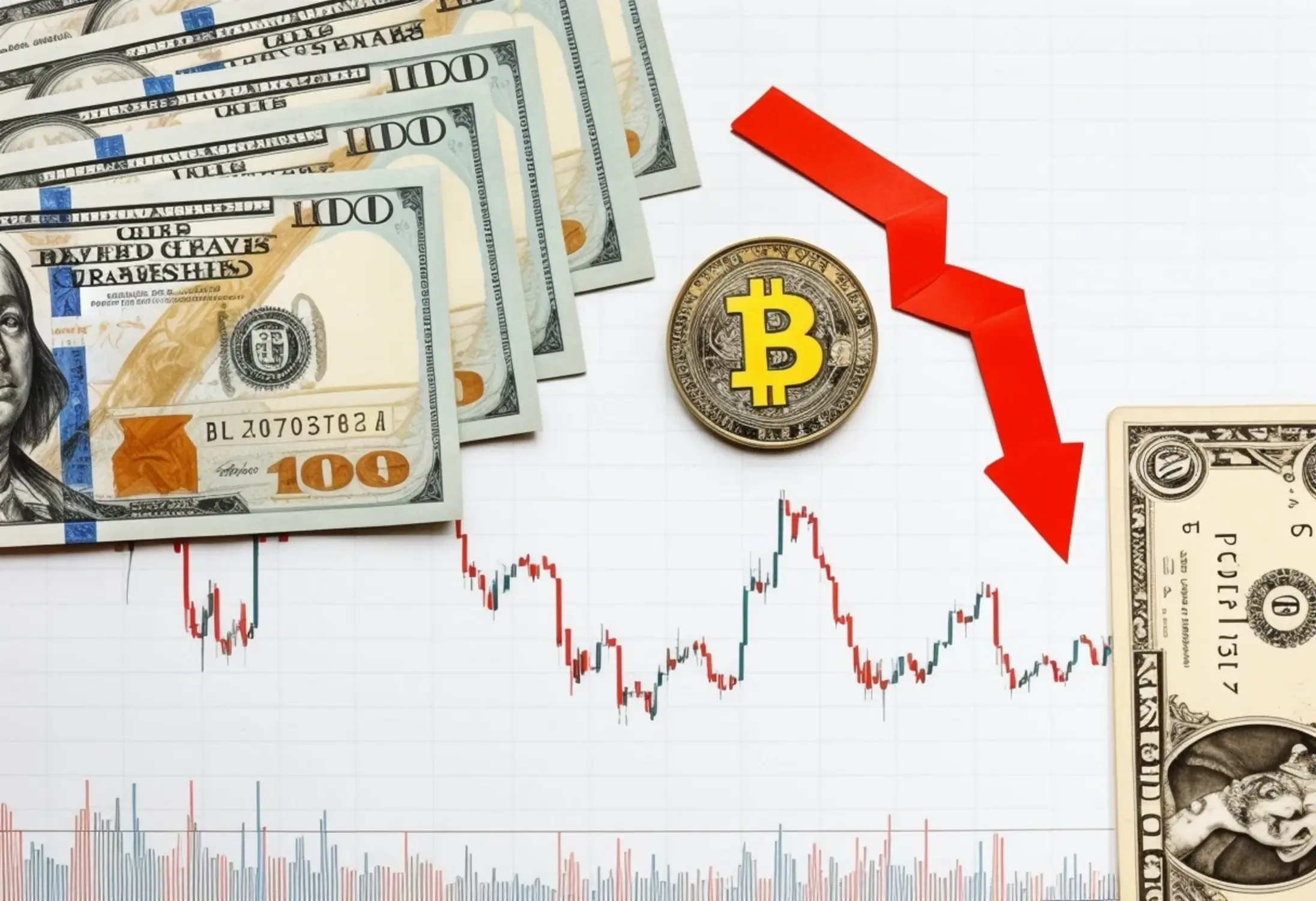
Recent analyses highlight significant price movements in Bitcoin directly correlated with inflation report releases. Upon the announcement of CPI figures, Bitcoin often experiences dramatic surges or drops, illustrating traders’ sensitivity to these critical economic signals. For instance, following CPI announcements indicating lower inflation, Bitcoin surged, indicating an immediate positive reaction.
Such market sentiment showcases the dynamic nature of cryptocurrency trading in relation to economic indicators. Statistics point to a robust increase in Bitcoin prices correlating with favorable inflation reports, helping to crystallize understanding about market behaviors in inflationary contexts.
Investor Strategies in an Inflationary Environment
Navigating an inflationary environment requires strategic planning for cryptocurrency investors. Key strategies include closely monitoring inflation data and key economic indicators to anticipate market movements. By understanding these economic signals, investors can develop effective risk management strategies.
Additionally, diversification plays a vital role in navigating the current volatile market landscape. By holding a mix of assets, including stablecoins and other cryptocurrencies, investors can manage risk effectively. The current economic climate mandates a proactive approach, with a keen eye on broader trends to refine long-term strategies successfully.