




The rise of Crypto ATMs is reshaping how we access cryptocurrency, making it more accessible and convenient than ever before. With the increasing importance of cryptocurrency regulations and the quick adoption of blockchain technology, understanding this evolution is essential to adapting our financial strategies today.
The Significance of Crypto ATMs Today
Crypto ATMs serve as a crucial link between traditional finance and the world of cryptocurrency. By allowing users to buy and sell digital currencies quickly, these machines enhance accessibility for individuals who might not have access to online platforms. According to recent reports, the number of Crypto ATMs has skyrocketed, reflecting a growing demand for cryptocurrency engagement. This trend highlights the urgency for financial inclusivity, particularly in underserved communities.
The adoption and integration of Crypto ATMs are especially relevant as they no longer require users to have extensive technical knowledge. Instead, they provide a user-friendly interface that simplifies transactions, making it possible for anyone to enter the cryptocurrency market. Statistics suggest that the use of Crypto ATMs has expanded significantly, demonstrating not just a rising interest in cryptocurrencies but also a changing landscape in how we approach money.
Challenges Facing Cryptocurrency Regulations
Despite their potential, Crypto ATMs operate within a complicated regulatory landscape. Different jurisdictions impose various rules and guidelines that rapidly affect their deployment. For instance, cryptocurrency regulations vary significantly from state to state, creating awareness challenges for operators and users alike. Understanding these differing regulations is paramount for building trust among users as disparities can lead to confusion and skepticism.
The regulatory environment surrounding Crypto ATMs is evolving, but it currently poses amplified challenges for operators striving to comply with diverse and sometimes restrictive laws. Many regions grapple with defining cryptocurrencies, which complicates the regulatory process further. As highlighted by experts, these inconsistencies can deter potential users from adopting Crypto ATMs, essentially reverting to more traditional financial practices.
Current Trends Influencing Crypto Cash Access
Consumer behavior regarding crypto cash has notably shifted in recent times. The pandemic accelerated the adoption of contactless solutions, including Crypto ATMs, which thrive on providing a fast and safe way to exchange cash for crypto. Studies show that during COVID-19, users prioritized safety and convenience, driving them towards digital transactions. As consumers continue to embrace these technologies, local economies are increasingly integrating Crypto ATMs into their financial systems, enhancing accessibility in urban and rural areas alike.
Businesses have also recognized the value of Crypto ATMs. By installing these machines, businesses tap into a new clientele while also catering to current customers looking for alternative payment methods. The synergy between traditional retail environments and digital currencies creates an innovative marketplace, where spending reflects contemporary consumer habits.
The Role of Blockchain Technology in ATM Functionality
Blockchain technology is fundamental in securing and streamlining transactions made at Crypto ATMs. Utilizing decentralized networks ensures transaction integrity and user data protection, which remains crucial for gaining user acceptance. The relationship between blockchain and operational efficiency is distinct; for example, blockchain allows for instantaneous transactions, enhancing the user experience at Crypto ATMs compared to traditional ATMs.
Innovations in ATM technology, driven by blockchain advancements, continue to propel the functionality and usage of these machines. For instance, many Crypto ATMs now offer features like multi-currency exchanges and automatic fraud detection, improving user confidence and security. This evolution indicates that as blockchain technology matures, so too will the operational capabilities of Crypto ATMs.
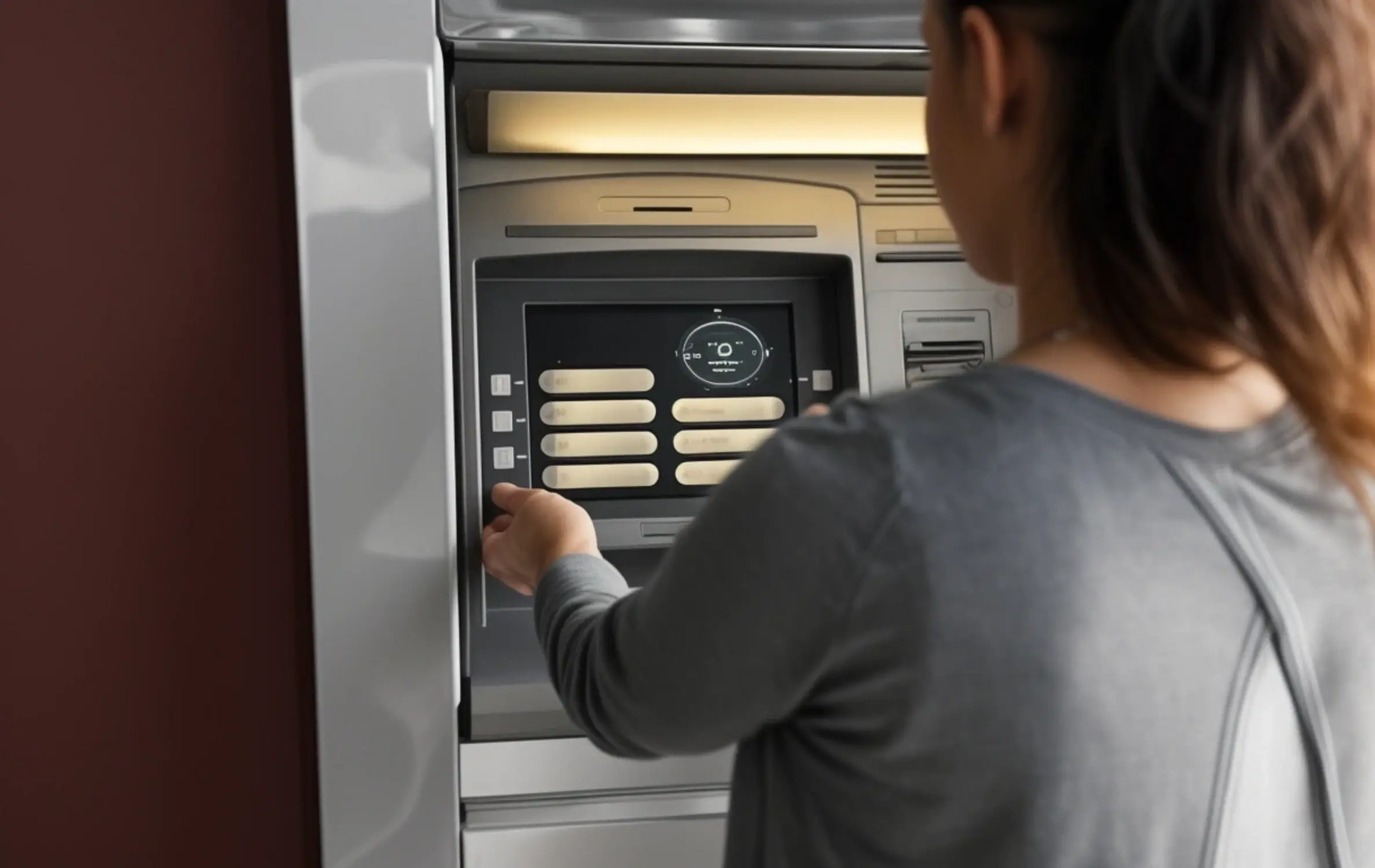
Strategies for Integrating Crypto ATMs in Everyday Transactions
For consumers looking to utilize Crypto ATMs, practical tips can enhance their transaction experiences. First, researching locations and available services is crucial, as not all ATMs support the same cryptocurrencies or transaction limits. Secondly, users should ensure they understand the fees associated with each transaction, which can vary significantly between operators.
Businesses exploring the integration of Crypto ATMs into their offerings can benefit from market research to identify which machines align best with their customer demographics. It’s advisable to partner with reputable service providers that emphasize transparency and compliance with regulatory frameworks. Evaluating which Crypto ATM services provide the best value will ultimately hinge on balancing convenience with costs to the end user.
The Future of Financial Transactions Through Crypto ATMs
The potential for Crypto ATMs to shape future economic interactions is vast. Innovations such as biometric authentication and machine learning application could lead to more secure and personalized user experiences. As technology continues to evolve, it is likely that additional functionalities will emerge, further enhancing how consumers interact with their finances.
Embracing Crypto ATMs represents a step toward financial freedom and empowerment. The overall shift towards integrating cryptocurrency into everyday transactions signals a transformative moment in finance. As barriers continue to diminish, one can anticipate a future where Crypto ATMs are as common as traditional ATMs, enabling everyone to participate in the digital economy.